Welcome to Melltorp's official website!
A corner sofa isn’t just a piece of furniture; it’s a lifestyle decision. Whether you’re furnishing a sprawling living room or a compact apartment, the L-shaped or U-shaped sofa has become a dominant force in contemporary interiors. It defines the seating dynamic, anchors the layout, and can either enhance or hinder your daily comfort. This guide walks you through the practical and sometimes overlooked factors that separate a smart investment from a regrettable purchase.
The skeleton of your sofa determines its lifespan. Many budget-friendly options use particleboard or softwood, which can warp under weight or humidity. For long-term durability, look for kiln-dried hardwood frames like birch, beech, or oak. These resist cracking and provide a stable base. Another indicator is the joinery: avoid pieces held together by staples alone. Dovetail or mortise-and-tenon joints, reinforced with corner blocks, signal a structure built to endure years of use.
The suspension system also matters. Sinuous springs are common and comfortable, but only if they’re tempered steel with a gauge of at least 10. Some higher-end models use hand-tied coil springs, which offer better support and shape retention. Before purchase, test the seat by pressing down firmly—if you hear creaking or feel uneven support, that frame won’t hold up.
Fabric choice directly impacts maintenance and longevity. Natural fibers like linen and cotton breathe well but stain easily and fade in direct sunlight. Synthetic blends, particularly high-performance polyesters or solution-dyed acrylics, resist stains, UV fading, and pilling. For homes with children or pets, a fabric with a high Martindale rub count (over 40,000) indicates superior abrasion resistance.
Another critical factor is the fabric’s weave. A tight-weave construction prevents dirt from embedding into the fibers, while loose weaves like bouclé require more frequent vacuuming. If you value sustainability, consider upholstery made from recycled materials or certified by OEKO-TEX. Some manufacturers now offer frames with fabric containing upcycled fibers, aligning with the sustainable trend in home furnishings. Always request a physical swatch before ordering—lighting and screen colors can deceive.
Corner sofas often sacrifice individual comfort for aesthetic mass. A seat depth that feels luxurious in the showroom can become uncomfortable during prolonged use. The ideal depth depends on your height: for most people, a seat depth between 22 and 24 inches supports proper posture. Deeper seats work well for lounging but require additional back pillows for reading or working.
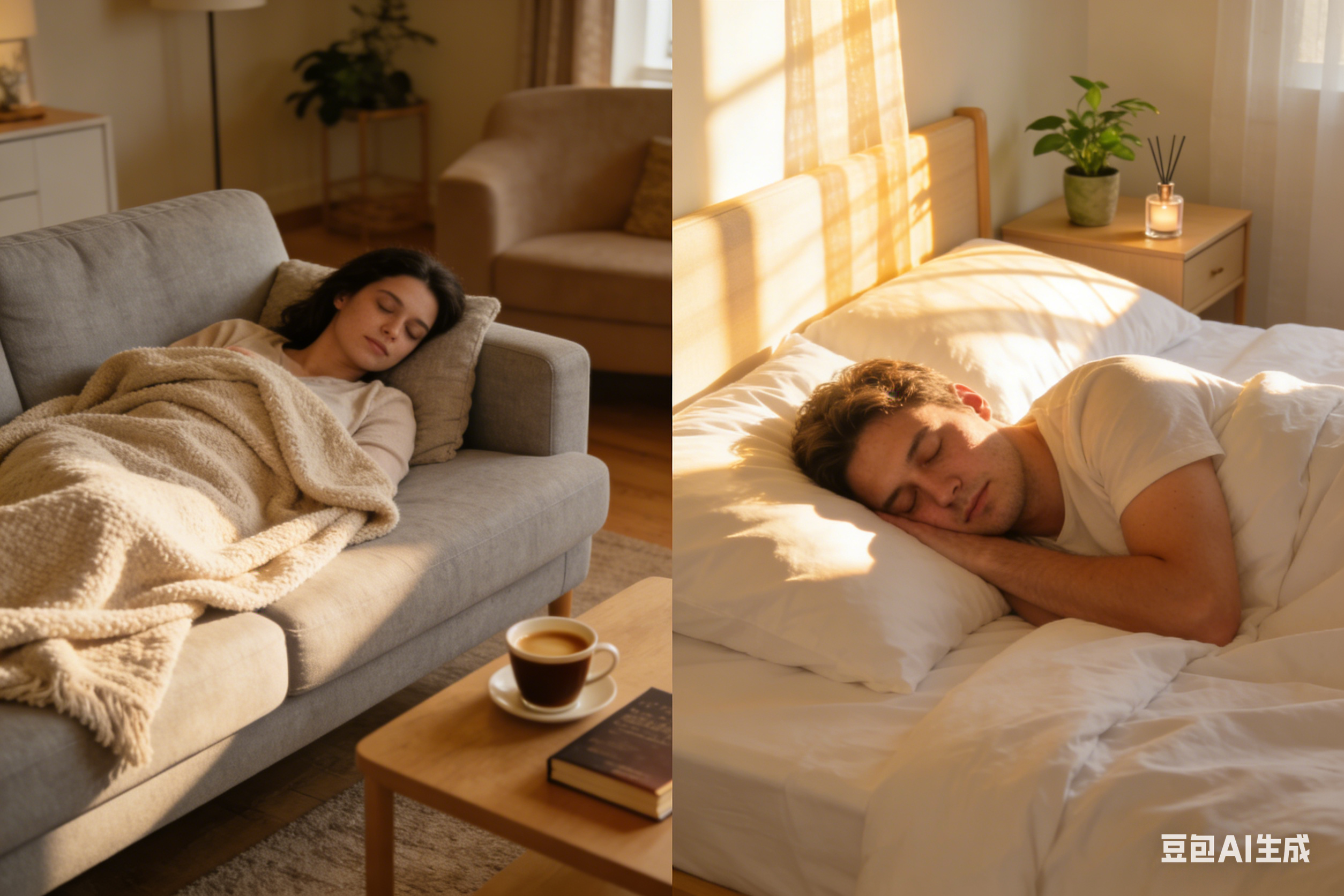
Cushion density is equally important. High-resilience foam with a density above 2.0 pounds per cubic foot retains its shape and doesn’t sag quickly. Some cushions combine a foam core with a layer of down or fiber wrap for a softer feel. Be aware that all-down cushions need daily fluffing to maintain volume. Hybrid cushions offer the best balance of comfort and low maintenance. Also, verify that the cushion covers are removable and washable—this simple feature prevents early replacement.
Modular corner sofas have gained popularity for their flexibility. They allow you to reconfigure the layout when moving homes or changing room functions. However, not all modular systems are equal. Cheap models use plastic connectors that break after repeated assembly. Look for metal locking mechanisms or interlocking panels with reinforced frames.
The modular approach also affects the longevity of joints. Each connection point introduces a potential weak spot. Premium brands design their modules with hidden dowels or cam locks that distribute weight evenly. If you plan to rearrange frequently, choose a system where each section has independent legs and support, rather than a single continuous base. This design also simplifies access to tight staircases or narrow hallways.
Placement dictates everything from traffic flow to light exposure. In open-plan spaces, a corner sofa can define the living area without walls. Position it so the longest side faces the main entrance or TV, and leave at least 18 inches of clearance behind for cleaning. For smaller rooms, a left-facing or right-facing chaise is more practical than a symmetrical U-shape.
Consider the direction of natural light. Direct sunlight can fade fabric unevenly, especially on darker sections. Use UV-blocking curtains or position the sofa away from south-facing windows. Also, measure doorways and hallways before purchasing—many corner sofas arrive in multiple boxes, but some one-piece chaise sections cannot fit through standard doors. Request the assembled dimensions and compare them with your entry points.
A well-chosen corner sofa transforms how a room feels and functions. Focus on the frame, fabric, seat construction, and modular quality—not just the shape or color. The best purchase is one that balances durability, comfort, and a layout that suits your real-life habits, not a showroom illusion.