Welcome to Melltorp's official website!
Bulk sofa sourcing in the UAE is a high-stakes game where a single misstep can cost you thousands. Whether you are outfitting a hotel, a corporate lounge, or a showroom, the difference between a profitable deal and a costly mistake often comes down to knowing the materials, the market trends, and the hidden supply chain traps. This guide cuts through the noise to give you the real benchmarks used by professional buyers—without naming a single competitor.
The UAE market is unique because it combines extreme climate conditions with high aesthetic expectations. A sofa that looks great in a temperate European showroom may warp, fade, or lose its foam structure within six months in Dubai’s heat and humidity. That is why bulk buyers increasingly look beyond surface design to core construction.
First, pay attention to the frame. Solid hardwood frames, particularly kiln-dried beech or eucalyptus, resist warping better than particleboard or plywood. Second, consider the suspension system. Sinus springs with reinforced webbing offer durability without sagging, which is crucial for high-traffic commercial use. Third, foam density matters: a density below 30 kg/m³ often leads to quick flattening, while 35–40 kg/m³ provides a firm, lasting seat.
Another often-overlooked factor is fabric performance. In the UAE, where dust and sunlight are constant, solution-dyed polyester or outdoor-grade performance fabrics outperform standard cotton blends. They resist UV fading and are easier to clean—an essential feature for bulk contracts requiring long-term maintenance.
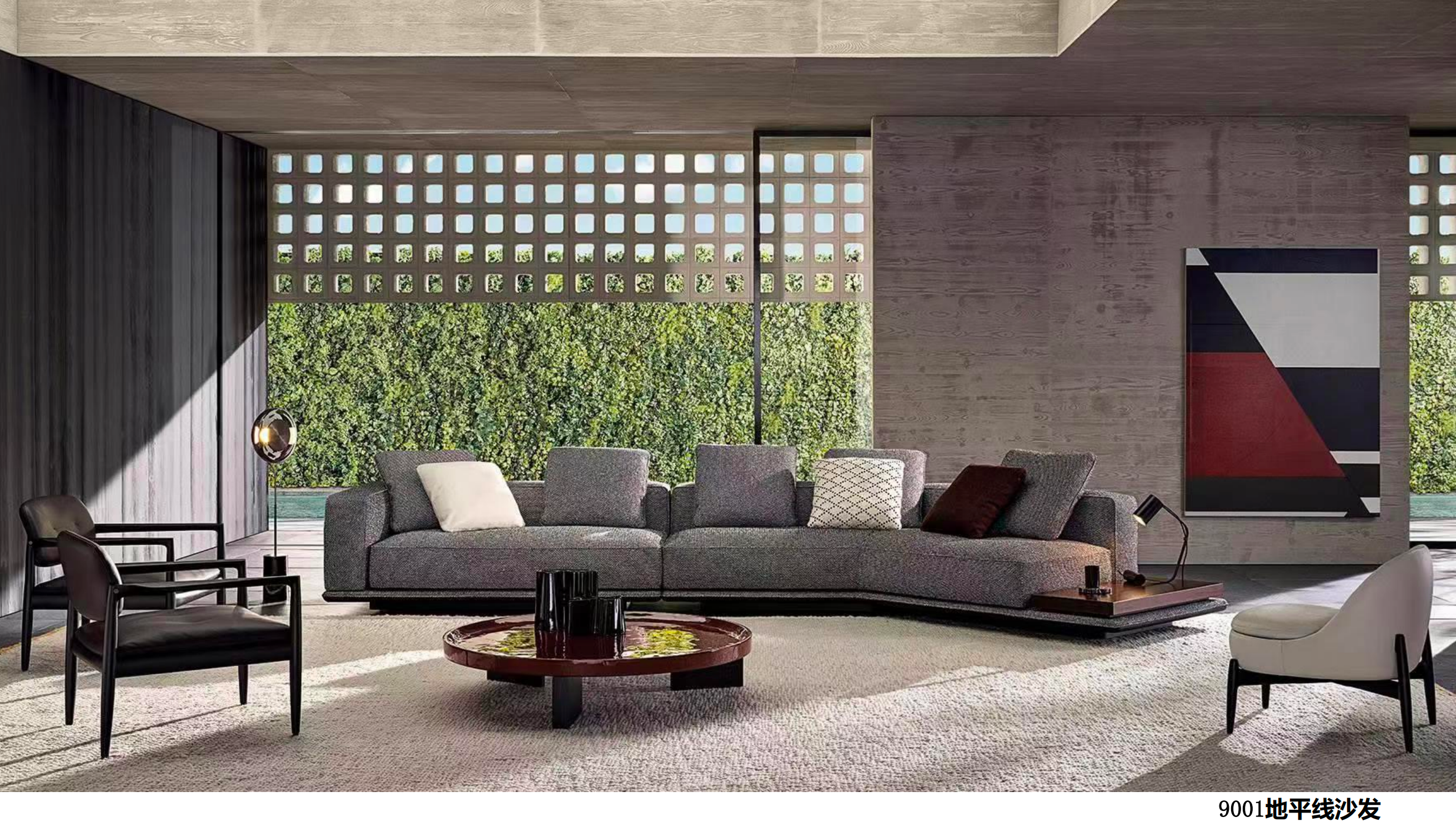
Global buyers are shifting toward circular furniture design, and the UAE market is no exception. This means choosing sofas that can be easily repaired, reupholstered, or broken down for material recovery. A modular sofa system, for instance, allows you to replace individual sections instead of discarding the entire piece—saving cost and reducing environmental accountability.
When evaluating a supplier, ask about their approach to low-carbon furniture. Are the foam cores made with recycled content? Is the fabric sourced from certified sustainable mills? These details are becoming deal-breakers for hotel chains and corporate clients with ESG goals.
At the same time, style should not be sacrificed. The current sustainable trend in the region favors clean, minimalist silhouettes with earthy tones—sand, taupe, and muted olive—that complement both modern villas and contemporary office lobbies. Sofas with removable, washable covers are particularly popular because they extend product life and align with the principles of upcycled furniture.
For those buying in volume, consistency across units is critical. Insist on sample testing before finalizing any order. Check seam strength, colorfastness, and joint stability. A reputable supplier will provide technical spec sheets and, ideally, a product warranty that covers structural defects for at least two years.
Remember: the cheapest per-unit price often hides the highest long-term cost. By prioritizing quality materials, sustainable design, and verified craftsmanship, you turn a simple sofa purchase into a strategic investment for your business.