Welcome to Melltorp's official website!
When it comes to furnishing your home in Peru, choosing the right sofa is a decision that can shape your entire living space. Whether you’re in Lima, Cusco, or Arequipa, the local climate, lifestyle, and design preferences play a major role in what makes a sofa truly suitable. This is not just about picking a color or a style—it’s about understanding materials, construction, and long-term comfort. A well-chosen sofa is an investment in your daily life, and knowing what to look for can save you time, money, and frustration.
Peru’s diverse geography means that a sofa that works in the humid coastal city of Lima might not be ideal for the dry highlands of the Andes. For coastal areas with high humidity, you want to avoid materials that trap moisture, like untreated wood or certain synthetic foams that can degrade over time. Instead, look for sofas with frames made from kiln-dried hardwood that resists warping. The upholstery fabric should be breathable yet durable, such as cotton-linen blends or performance polyester that can handle the salty sea air.
In drier regions like the highlands, the main concern is dust and temperature fluctuations. Leather can be a good option here because it is easy to clean and does not absorb dust as much as fabric. However, it can get cold in winter months, so consider pairing leather sofas with removable cushions in wool or heavy cotton. The filling material also matters: high-resilience foam with a density of at least 30 kg/m³ will hold its shape longer, even in changing temperatures. For homes in the rainforest region near Iquitos, prioritize sofas with removable and washable covers, as humidity and occasional rain can lead to mold issues.
Measuring your room correctly is the first step to avoiding a common mistake: buying a sofa that is either too big or too small for the space. Many Peruvian homes, especially apartments in Lima, have limited floor area. Start by measuring the length and width of the room, and note where doors, windows, and walkways are located. You need at least 30 inches (about 76 cm) of clearance in front of the sofa for comfortable movement. Do not forget to measure the doorways and staircases through which the sofa must pass during delivery.
A useful trick is to use painter’s tape to outline the sofa’s dimensions on the floor. This gives you a real sense of how much space it will occupy. For living rooms that also serve as dining areas, consider a modular sofa that can be rearranged to suit different occasions. Corner sofas work well in open-plan spaces but can overwhelm a small rectangular room. If your ceiling is low, a sofa with a low back will make the room feel taller. Always leave at least 12 inches of space between the sofa and the wall to allow for air circulation and easy cleaning. If you are shopping online, check the product dimensions carefully and compare them with your room measurements—photographs can be misleading about scale.
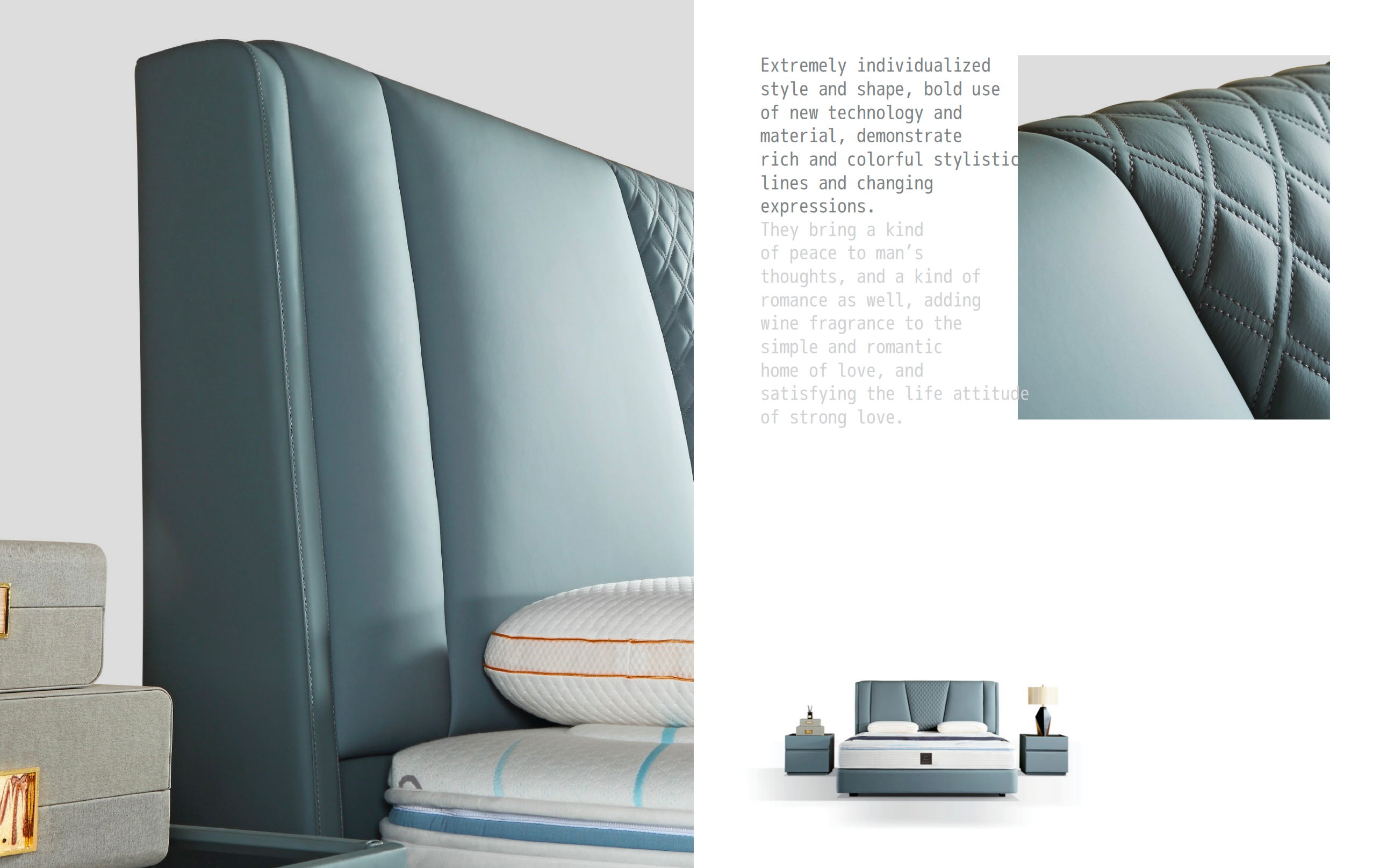
The feel of a sofa comes down to two often-overlooked details: seat depth and cushion firmness. A standard seat depth of around 21 to 22 inches works well for most adults, but if you are tall, look for a depth of 24 inches or more. Shorter individuals may find deep sofas uncomfortable because their feet do not touch the floor. This is especially important in households with multiple users of different heights. Test the sofa by sitting in your usual position—whether that is upright for conversation or lounging for watching TV.
Cushion firmness is not just about preference; it affects how long the sofa will last. Soft cushions may feel cozy at first, but they tend to sag over time, especially if they are made from low-density foam. High-resilience foam with a density above 2.0 lb/ft³ retains its shape and provides consistent support. For a balanced feel, look for cushions with a foam core wrapped in fiber or down. This combination offers both support and a plush surface. Brands like MELLTORP often use such multi-layer cushion constructions to ensure that the sofa remains comfortable for years. If you have pets or children, firmer cushions are easier to clean and less likely to develop permanent indentations.
The hidden structure of a sofa determines its lifespan more than the fabric or color. A solid frame made from hardwood like oak, ash, or beech is a sign of quality. Avoid sofas with frames made from particleboard or plastic, as these are prone to cracking under weight. You can check the frame by lifting one corner of the sofa—if it feels heavy and does not twist, the construction is likely solid. Kiln-dried wood is essential because it resists warping from humidity changes, which is particularly relevant in Peru’s coastal regions.
The suspension system supports the cushions and affects how the sofa feels when you sit down. Sinus springs or zigzag springs are common in mid-range sofas, but they can lose tension over time. For better durability, look for eight-way hand-tied springs or pocket coil systems, which provide even support and reduce sagging. Some modern sofas use webbed suspension with elastic straps, which is lightweight and comfortable but may need replacement after a few years. A good rule of thumb: if you can feel the springs or the frame through the cushions when you sit, the sofa is not built to last. Always sit on the sofa for at least ten minutes in the store, or read customer reviews carefully if buying online.
Choosing a sofa in Peru is about balancing style, climate, and daily use. Take your time to test materials, measure your space, and understand what lies beneath the surface. A thoughtful purchase will reward you with years of comfort and a living room that truly feels like home.