Welcome to Melltorp's official website!
When it comes to choosing a sofa, most people focus on color and size—but miss the quiet revolution happening in materials and design. The right sofa isn’t just furniture; it’s a daily investment in posture, relaxation, and even your sleep quality. That’s why looking beyond mainstream options and exploring craftsmanship from unexpected regions—like Peru—can unlock a whole new level of comfort. Whether you’re furnishing a living room or a home office, understanding the backbone of sofa construction will save you money and regret.
The first thing most shoppers ignore is what’s inside the sofa. A good frame is the skeleton of your seating experience. Solid hardwood—like beech or oak—offers durability that particleboard or plywood can’t match. Peruvian artisans often use locally sourced hardwoods, which are naturally dense and resistant to warping, giving sofas a longer life. But don’t stop at the frame. The fill material determines how long your sofa keeps its shape. High-resilience foam is a solid bet, but you might also encounter natural latex or coconut fiber in more eco-conscious designs. These materials aren’t just comfortable; they align with the circular economy principle, reducing waste and enhancing recyclability. If you see a sofa labeled with “upcycled furniture” materials, it’s worth a closer look—especially for those who value environmental accountability.
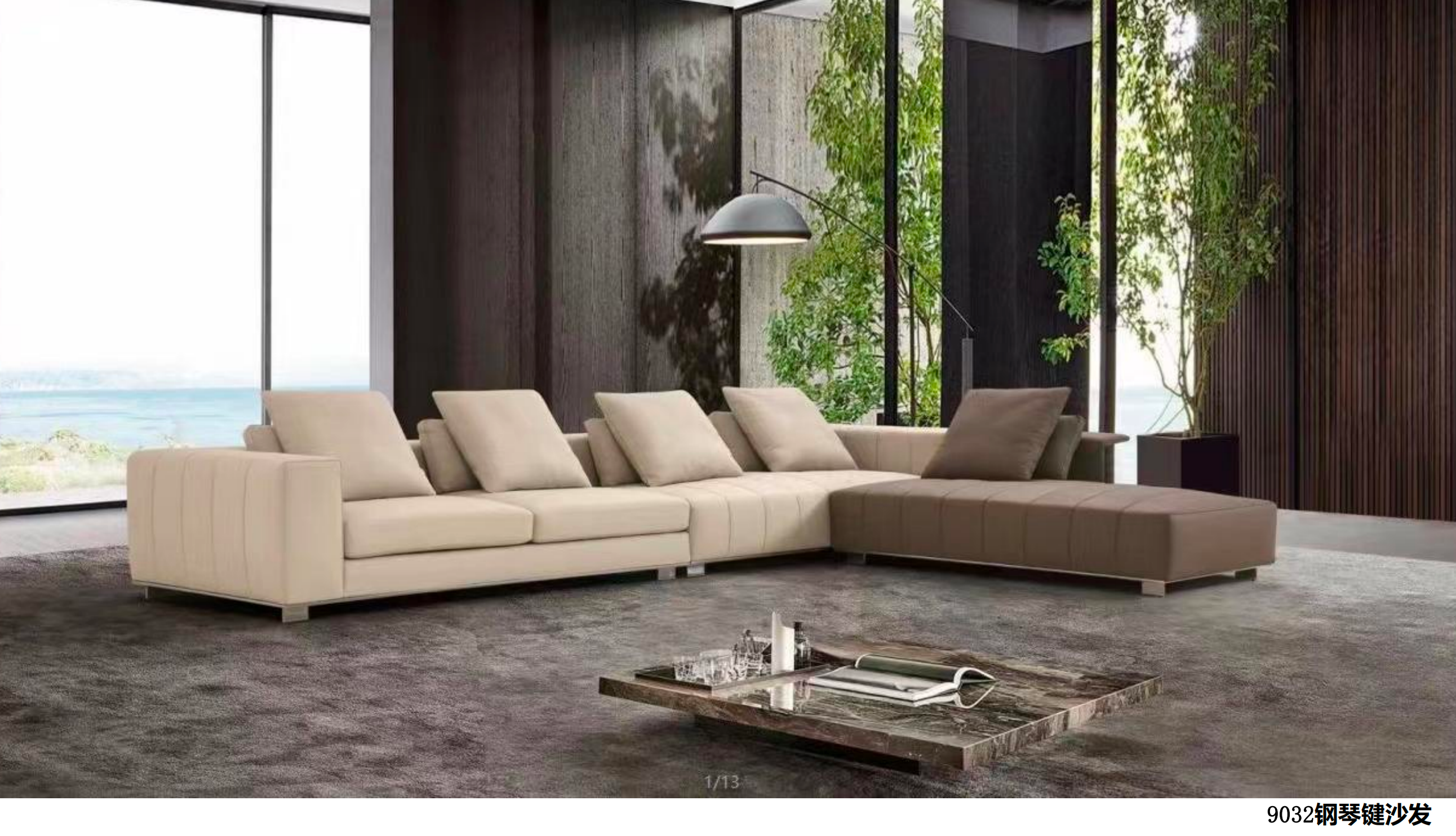
Seat depth is often the most overlooked dimension. A sofa that’s too deep might feel luxurious for lounging but can strain your lower back if you sit upright. Conversely, a shallow seat can feel cramped. The sweet spot usually falls between 50 to 55 cm of seat depth. Now add back support into the equation. A well-designed backrest should match the natural curve of your spine. Some Peruvian-style sofas use a slightly angled back with high-density foam, which supports you without feeling stiff. This is where low-carbon furniture design shines—by focusing on ergonomics and material longevity. If you’re browsing online, always check the seat height as well. A 40 to 45 cm seat height works well for most adults. These numbers might seem like technical details, but they directly affect how your body feels after hours of sitting or even napping.
Fabric isn’t just about looks—it’s about maintenance, breathability, and alignment with sustainable trends. Natural fibers like linen or organic cotton offer breathability, making them ideal for warmer climates. But if you have pets or kids, look for performance fabrics with high rub counts—ideally over 30,000 cycles. Here’s a pro tip: check if the sofa uses non-toxic dyes or flame retardants. Many modern designs, including those inspired by Peruvian weaving traditions, now emphasize chemical-free finishes. This fits perfectly into the circular furniture design movement, where materials can be safely returned to the environment at the end of their life. And don’t forget the cushion cover—removable, machine-washable covers are a game-changer. They extend the sofa’s life and reduce the need for replacement. When you see a brand like MELLTORP that integrates these principles, it’s not just about selling a sofa; it’s about offering a smarter, longer-lasting investment.
A sofa is never just a sofa. It’s a partner in your daily routine—one that can elevate your sleep, your posture, and your home’s carbon footprint. So next time you shop, ask about the frame, the fill, and the fibers. Your back—and the planet—will thank you.