Welcome to Melltorp's official website!
When it comes to furnishing a living space with personality and comfort, Spanish sofas have carved out a distinct reputation across Europe. Known for their bold designs, quality craftsmanship, and a certain warmth that invites relaxation, these pieces are more than just seating—they're statements. But buying a sofa isn’t a small decision. It’s an investment in daily life, in how you unwind after work, host friends, or curl up with a book. So before you scroll through endless options, it helps to understand what makes a Spanish sofa worth your attention, and how to pick one that truly fits your home and habits.
Spanish sofas are often praised for their use of high-quality materials, but not all pieces are created equal. The frame is where everything starts. Look for kiln-dried hardwood frames—they resist warping and last much longer than particleboard or metal frames. Many Spanish manufacturers prioritize solid beechwood or pine, which gives the sofa structural integrity over time. The suspension system matters just as much. Sinuous springs or webbing with proper tension provide consistent support without sagging. If you can, test the sofa by sitting and leaning into the corners. A well-built frame won’t creak or shift under pressure.
Upholstery is another key factor. Spanish sofas frequently feature high-density foam cushions wrapped in fiber or down, offering a balance between firmness and plushness. For fabric, look for materials with high rub counts—over 30,000 Martindale cycles is ideal for residential use. Some pieces also incorporate sustainable trends like circular furniture design, using recycled fibers or eco-friendly finishes. If you prefer leather, full-grain or top-grain options are common in higher-end Spanish models. They age gracefully and develop a patina over time. Just avoid corrected-grain leather, which is less breathable and more prone to peeling.
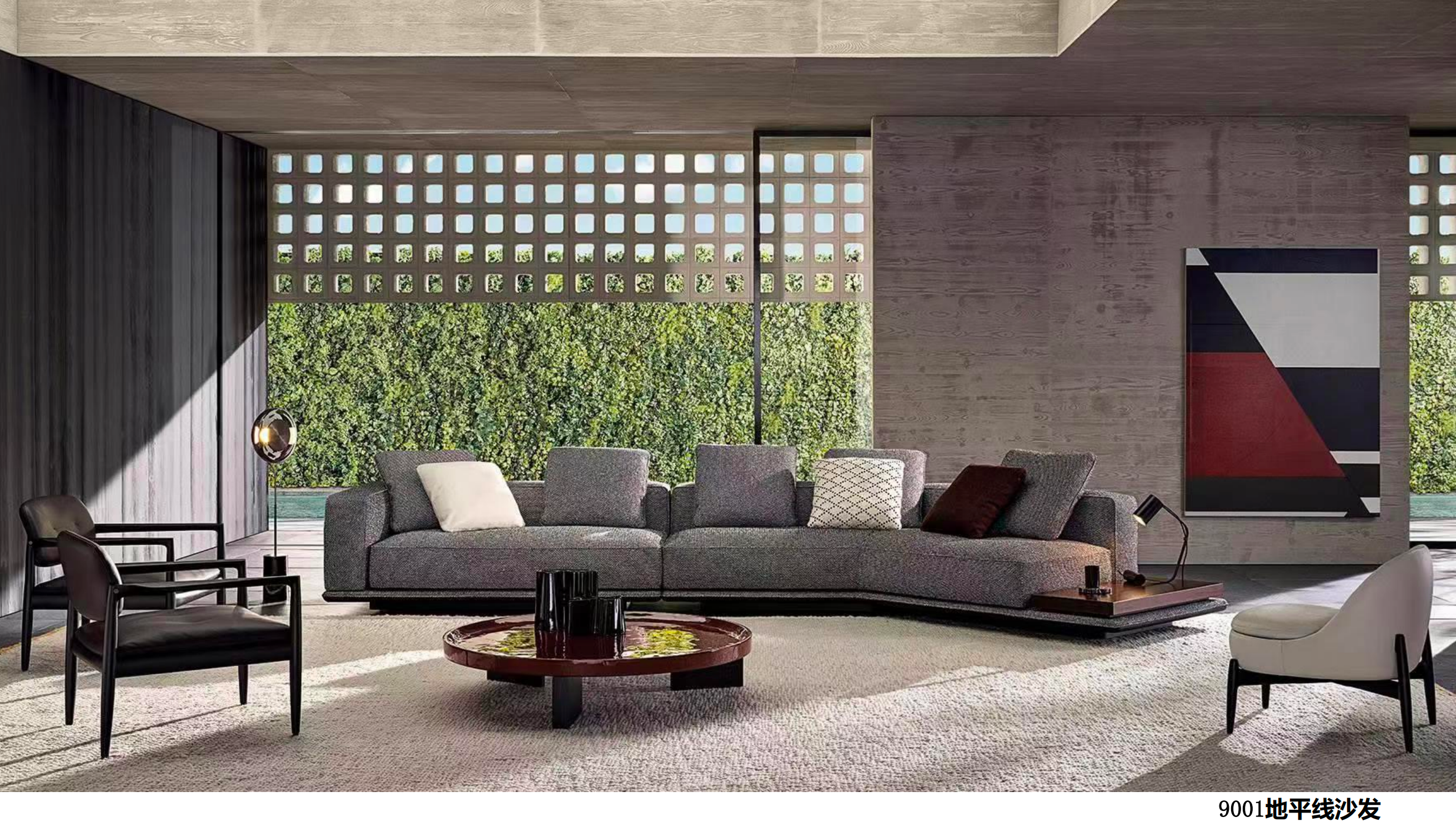
A sofa isn’t just about looks—it has to work with your daily rhythm. Think about how your household actually uses the living area. Do you have kids or pets? Then performance fabrics like Crypton or solution-dyed acrylic are smart choices. They resist stains and fading better than natural fibers. If you entertain often, consider a modular design. Many Spanish brands offer sectional configurations that let you rearrange seating to fit different gatherings. That flexibility ties into the broader sustainable trend, because a sofa that adapts to your changing needs is less likely to be replaced.
Color and scale also play a huge role. Spanish sofas often come in earthy tones—terracotta, olive, warm beige—that complement Mediterranean-inspired interiors. But if your space leans modern or minimalist, a neutral gray or deep navy works just as well. Measure your room carefully before buying. A common mistake is choosing a sofa that’s too deep for a small living room, making the space feel cramped. Seat depth should leave at least a few inches between your knees and the edge of the cushion when you sit back comfortably. And don’t forget about arm height. Low arms work better for lounging, while higher arms offer more support for reading or working on a laptop.
At the end of the day, a Spanish sofa should feel like it belongs—not just in your room, but in your life. Whether you're drawn to the craftsmanship, the materials, or the way the design reflects a certain European sensibility, take your time. Sit in it. Imagine your mornings and evenings around it. A good sofa doesn’t shout for attention; it quietly becomes the backdrop for everything that matters. And if it happens to carry the MELLTORP name, you can trust that the same attention to detail and commitment to restful living has gone into every stitch and spring.