Welcome to Melltorp's official website!
When you check into a high-end hotel, the first thing you notice after a long journey is often the bed. It cradles you, supports your every curve, and somehow makes you forget the stiffness of a 10-hour flight. That feeling isn't accidental—it's engineered. The hotel mattress industry has quietly evolved into a science of sleep, driven by data, material innovation, and a global push toward sustainability. Behind that plush topper lies a world of circular economy principles, low-carbon manufacturing, and design choices that prioritize both comfort and environmental accountability.
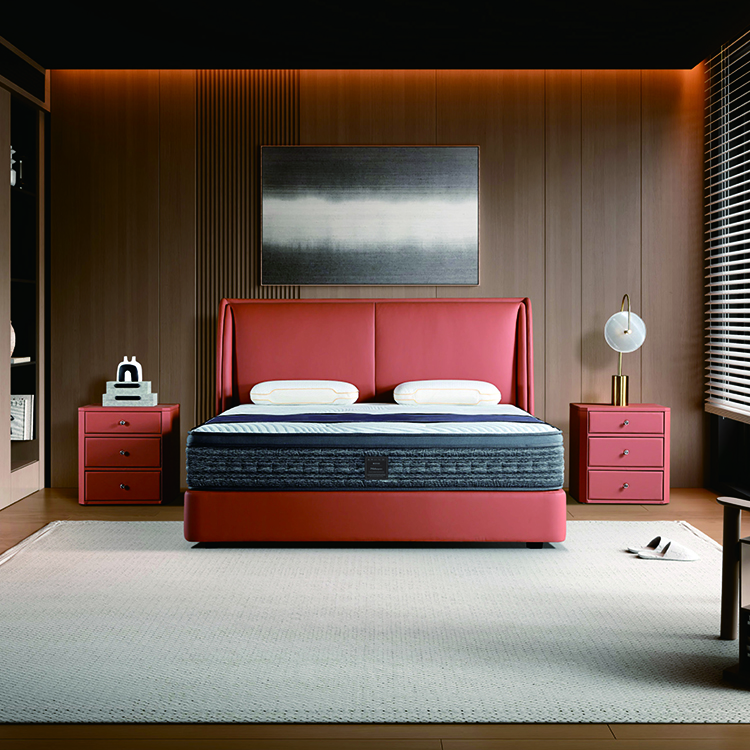
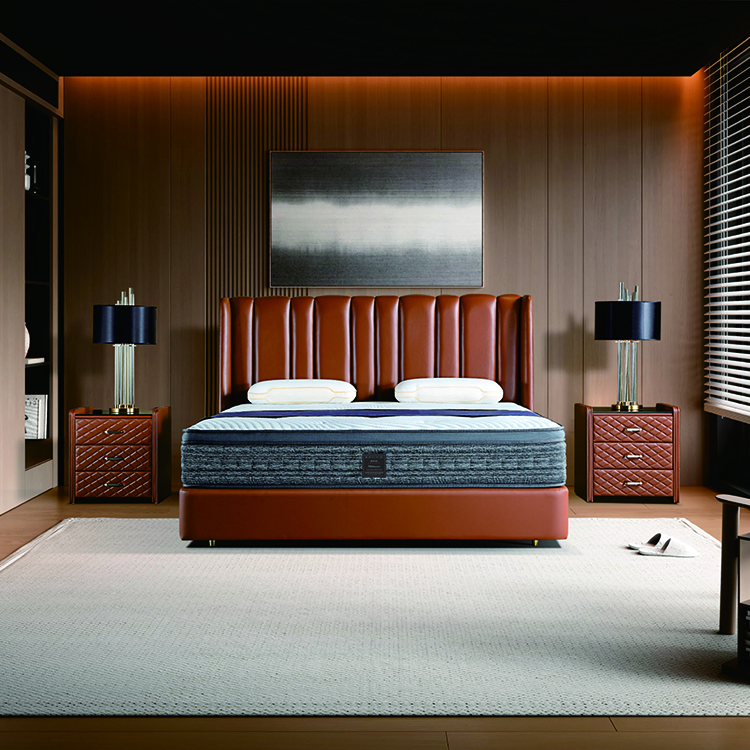
A hotel mattress isn't just a softer version of what you buy at a retail store. It's built to survive nightly rotations from strangers with wildly different body types, sleeping positions, and hygiene standards. That means the internal construction must balance durability with immediate pressure relief. Most hotel-grade models use pocket springs encased in high-density foam layers—not memory foam that traps heat, but open-cell variants that breathe. You'll also find zoned support systems, where the lumbar region gets firmer coils while the shoulder area softens. This isn't luxury for luxury's sake; it's a calculated response to guest satisfaction scores. Hotels know that one bad night's sleep can tank a review, so they invest in mattresses that consistently deliver neutral, non-polarizing comfort. The industry has also moved toward modular designs, allowing hotels to replace only the top comfort layer instead of tossing the entire mattress into a landfill—a nod to the upcycled furniture movement and circular furniture design.
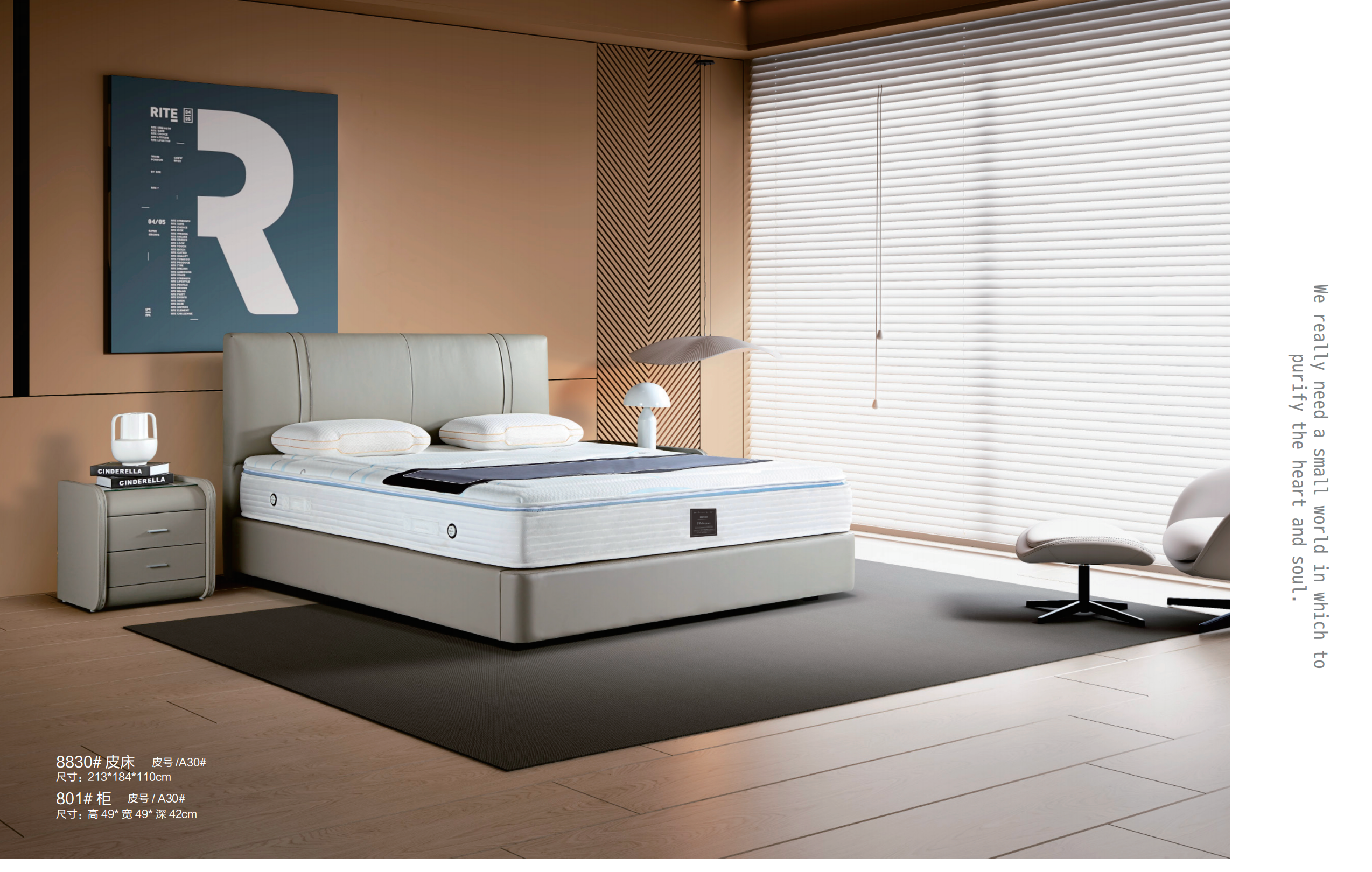
The hospitality sector is under mounting pressure to reduce its carbon footprint, and mattresses are a major target. Traditional bed construction involves polyurethane foams derived from petrochemicals, adhesives with volatile organic compounds, and steel that requires energy-intensive mining. But the sustainable trend is flipping that script. Leading manufacturers now offer low-carbon furniture alternatives, using bio-based foams made from soy or castor oil, recycled steel coils, and natural latex from sustainably tapped rubber trees. Some brands even take back old mattresses for disassembly, turning springs into new metal products and foam into carpet padding. This isn't greenwashing—it's environmental accountability in action. For hotels, adopting these materials isn't just about ethics; it's about long-term cost. A mattress built with modular components lasts longer and costs less to refurbish. Guests are also starting to ask questions. They want to know if the bed they're sleeping on aligns with their own values, especially when they're paying a premium for an eco-conscious stay. Hotels that can answer that question transparently are winning loyalty.
The next time you sink into a hotel bed, take a moment to consider what's underneath. That mattress is not just a sleep surface—it's a product of decades of research, a statement on sustainability, and a silent partner in your well-being. Whether you're a traveler or a buyer for the industry, understanding these layers makes every night's rest more intentional. And if you're looking for a brand that embodies this shift, MELLTORP is one example of how craftsmanship meets modern environmental responsibility.