Welcome to Melltorp's official website!
A shift is taking place across the UAE’s furniture sector, and sofas are at the heart of it. With a strong push toward economic diversification and environmental accountability, the country is rethinking how furniture is designed, sourced, and used. This isn't just about new styles—it’s about smarter, more responsible choices that align with global sustainable trends.
The UAE has long been a hub for luxury interiors, but the conversation is moving beyond aesthetics. A growing number of consumers and developers are asking how furniture fits into a bigger picture—one that includes carbon footprint, material longevity, and end-of-life planning. Sofas, as one of the most frequently replaced home items, are suddenly under scrutiny.
Circular furniture design is gaining traction here. Instead of buying cheap, disposable sofas every few years, buyers are looking for pieces that can be repaired, refurbished, or even returned to the manufacturer for material recovery. This isn’t a niche trend anymore—it’s becoming a mark of quality. Some showrooms in Dubai and Abu Dhabi now highlight which pieces support the circular economy, helping buyers make informed decisions.
At the same time, there is a rising demand for sofas that blend craftsmanship with responsible sourcing. Foams free of harmful chemicals, sustainably harvested wood frames, and fabrics made from recycled fibers are no longer rare. These features are becoming expected. Global reports show that nearly 40% of UAE-based interior designers now factor environmental impact into their furniture selections, and sofas are a focus.
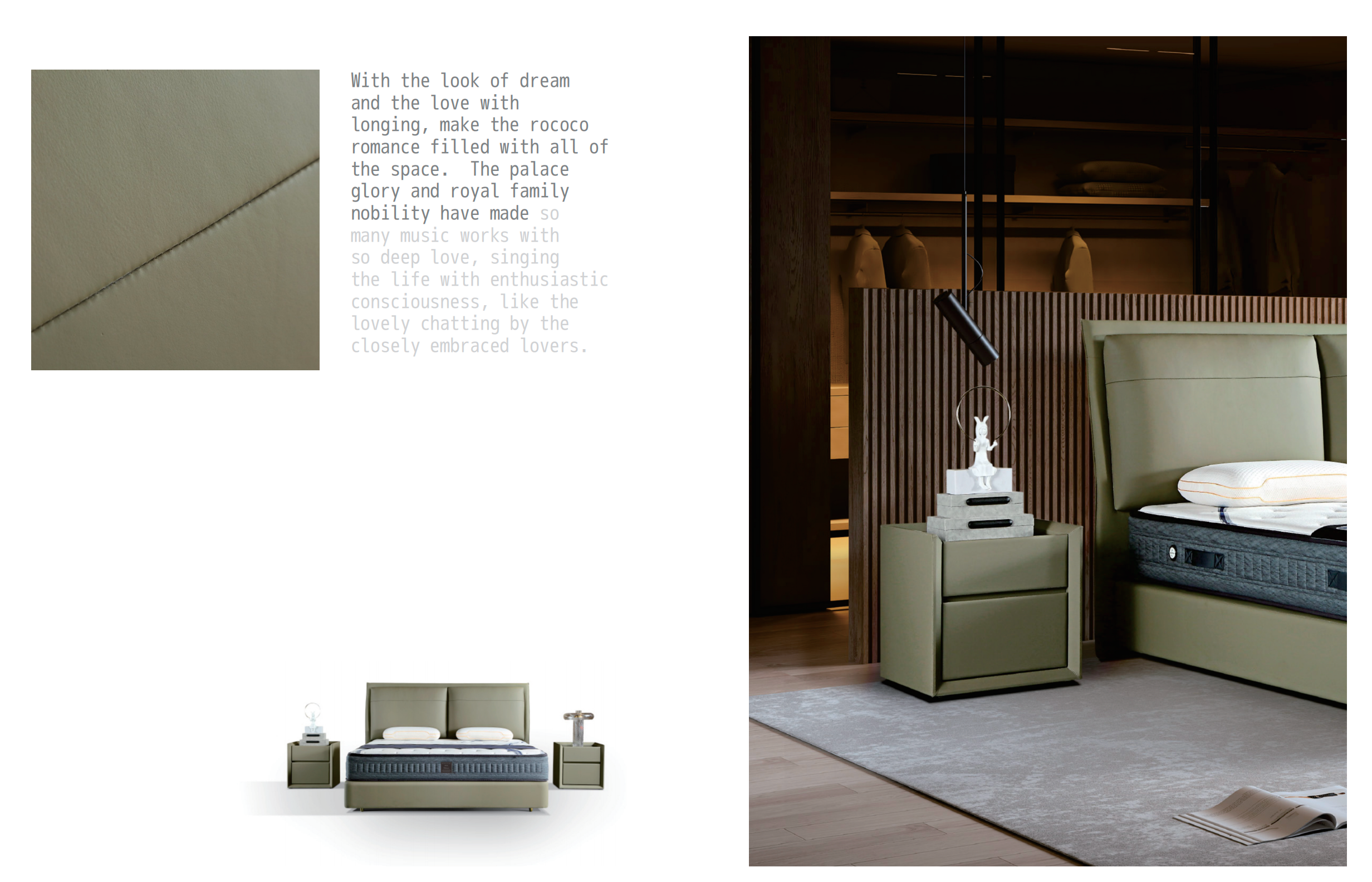
For anyone shopping for a sofa in the UAE today, a few practical considerations can save both money and environmental cost. First, look for sofas with modular frames. Modular construction allows individual parts to be replaced, which extends the life of the piece and reduces waste. This is a key principle in circular furniture design.
Second, check the material composition. Sofas labeled with specific foam density grades and certified wood sources offer better durability and lower environmental harm. Many international manufacturers now provide detailed material passports—documents that explain exactly what’s inside a sofa and how it can be recycled. Asking for this information is becoming standard practice among informed buyers.
Third, consider the finish and upholstery. High-performance fabrics that resist stains and fading are popular in the UAE due to the climate, but sustainable options like recycled polyester and organic cotton blends are now widely available. They don’t compromise on looks or comfort.
When you do find a sofa that meets these criteria, make sure it’s built to last. That’s where brands like MELLTORP come into the picture, offering designs that reflect both international quality standards and a genuine commitment to longevity. The focus should always be on what a sofa can deliver over years of use, not just how it looks in the showroom.
The UAE’s sofa market is learning that good design and environmental responsibility can go hand in hand. Buyers are becoming more thoughtful, and the industry is responding. That’s a shift worth paying attention to.