Welcome to Melltorp's official website!
The global furniture industry is undergoing a quiet revolution, and the leather sofa segment is no exception. As consumers become more conscious about environmental accountability, the way we choose upholstery is shifting from pure aesthetics to long-term value. Understanding the lifecycle of a leather sofa—from raw material sourcing to end-of-life disposal—has never been more critical. This article explores how circular furniture design is reshaping the leather sofa market, and why making an informed choice today can benefit both your home and the planet.
When we talk about sustainability in leather furniture, it goes far beyond the tanning process. True environmental accountability starts with the origin of the hide itself. Many tanneries now adopt chrome-free or vegetable-based tanning methods, drastically reducing chemical runoff. But that is only one layer. A leather sofa that lasts twenty years rather than five is inherently more eco-friendly than a cheaper alternative that ends up in a landfill. This is where the principle of low-carbon furniture comes into play: durability directly reduces carbon footprint over time.
The leather selection process also matters. Full-grain leather, while more expensive, develops a natural patina and can be reconditioned multiple times. This aligns with the concept of upcycled furniture—not in the sense of taking old pieces apart, but through regular maintenance that extends the sofa‘s usable life. Some manufacturers now offer reupholstery services for their leather frames, turning a purchase into a long-term relationship rather than a disposable commodity. This approach demands higher upfront investment but delivers lower environmental impact per year of use.
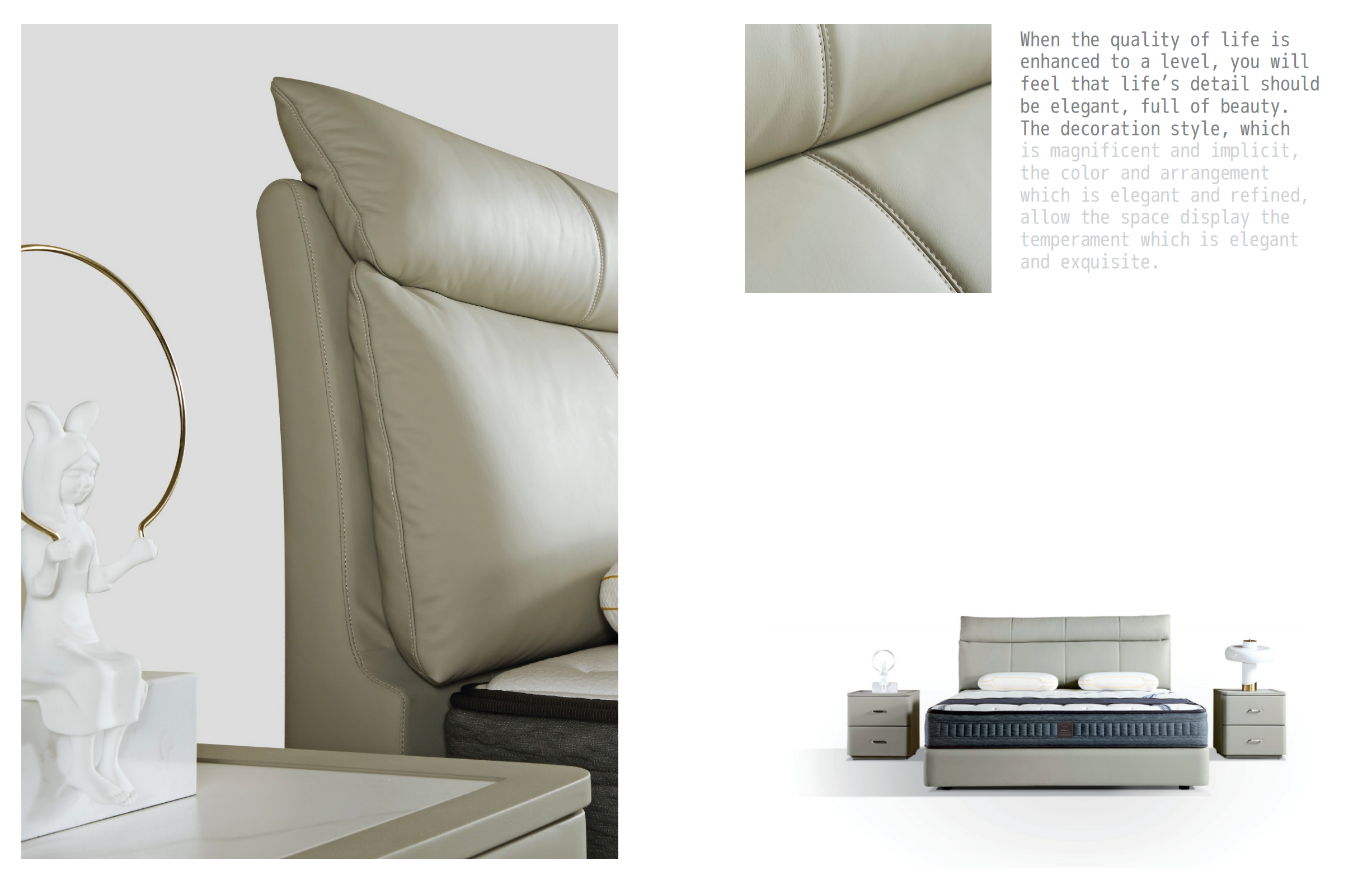
The first thing to examine is the hide’s thickness and consistency. High-quality leather is typically between 1.2 and 1.6 millimeters thick, with a tight grain structure that resists cracking. Run your hand across the surface—a top-grain piece should feel smooth without an artificial coating that masks defects. The stitching is equally important: double-stitched seams with reinforced corners indicate a frame built to withstand daily use for decades.
Another overlooked factor is the suspension system. A leather sofa with sinuous springs or an eight-way hand-tied coil system will maintain its shape far longer than one with webbing or foam. Pair this with high-density foam cushions (at least 2.5 pounds per cubic foot), and you have a piece that resists sagging. Many brands now offer modular designs that allow individual seat replacements, embracing circular furniture design principles. This means you can replace a worn cushion without discarding the entire sofa.
Finally, check the warranty. A brand confident in its construction will offer at least five years on the frame and ten years on the leather. This is not just a promise—it’s a signal of environmental responsibility. When you invest in a leather sofa that can be repaired and reconditioned, you are participating in the sustainable trend of buying less but buying better. That piece becomes a legacy item, not a disposable trend.