Welcome to Melltorp's official website!
At present, the Russian sofa consumer market is rapidly ushering in a period of sustainable transformation. Consumers no longer simply focus on the cost-effectiveness based on the basic sitting feeling, but are increasingly focusing on the environmentally friendly attributes of the product throughout its life cycle and the experience of long-term use. Functions and material design that can adapt to local home scenes are gradually becoming mainstream industry development trends. Moreover, relevant international accommodation service providers have also participated based on their accumulated experience in the global market, in order to promote the upgrading and iteration of the entire industry.
In recent years, practitioners in the Russian sofa industry often regard it as the core criterion for brand operation. Most mid-to-high-end product lines have integrated research and development elements. The production end no longer just blindly uses new virgin boards and fillers. Many manufacturers re-make new sofa components after compliant sorting of old textile fabrics and hard solid wood parts through disinfection and crushing, which greatly reduces resource consumption in the production process.
While exporting sofa products that fit the trend to the market, many brands are also exploring the use of circular furniture design to reduce adhesive parts that are difficult to disassemble after disposal, reducing the carbon footprint of the sofa's entire life cycle by more than 30%. Participate in relevant overseas markets to match and adjust the material system, and also adapt to the Russian market’s relevant standard requirements for low-carbon furniture, thereby providing local consumers with sofa options that take into account environmental protection and comfort.
The current mainstream Russian sofa frame materials on the market are mainly made of larch produced in alpine regions. This type of wood has been dried in three stages at a constant temperature. It has a higher density and can adapt to the changes in indoor temperature differences in different regions of Russia. Even if it is used for many years, it is not prone to frame deformation and abnormal noise problems, and its load-bearing performance is much higher than that of ordinary fast-growing wood.
Most of the fabrics used in the filling layer of the sofa have undergone anti-aging three-proof treatment, which can resist the accelerated aging problem that occurs in centralized heating environments that is common in Russian winters, thereby extending the service life of the product. Some products that can be adapted to high-end living scenarios also use a layered gradient filling design, which takes into account the support when sitting for a long time and the basic soft sitting feeling!
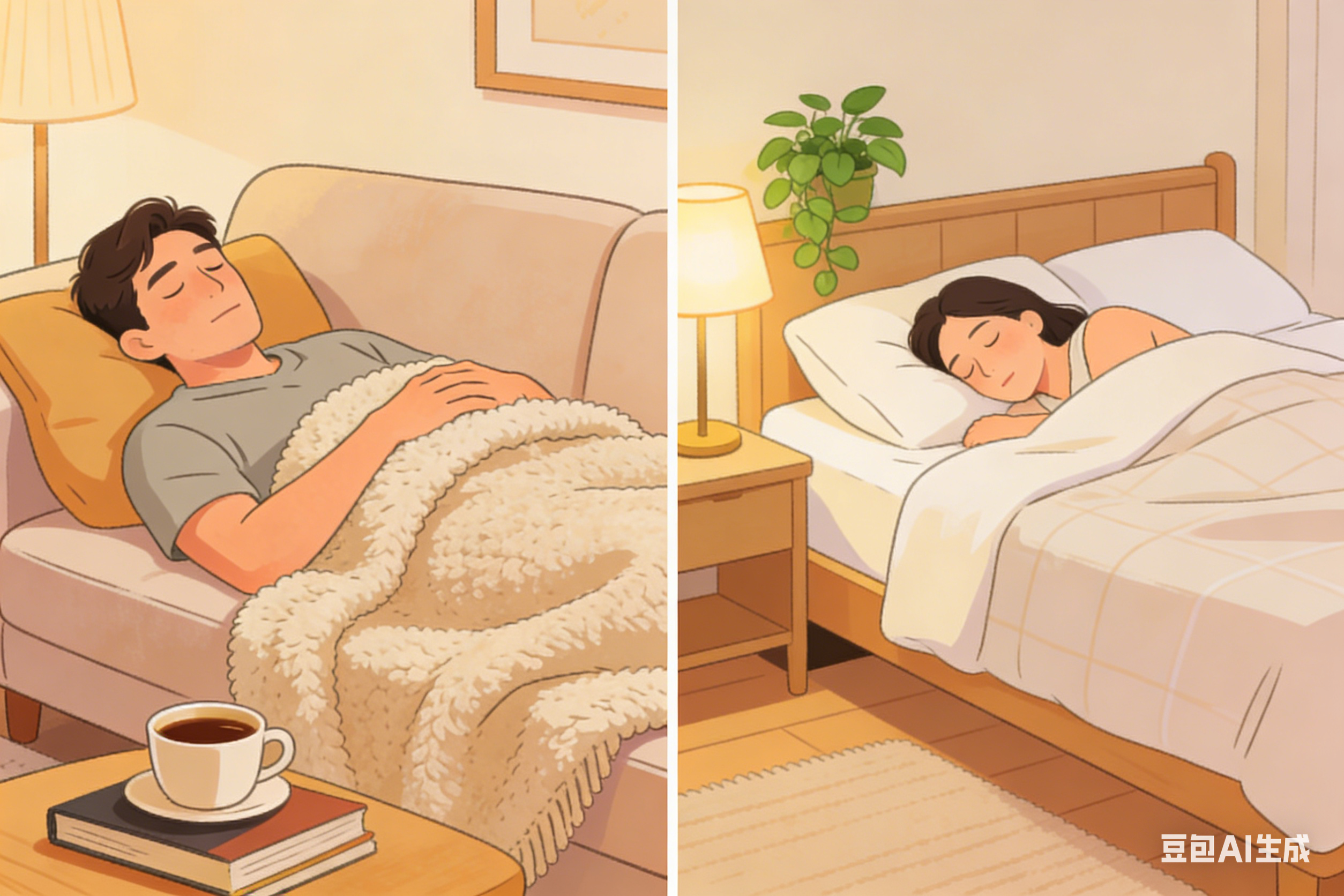
In Russia, there are large differences in living area in different regions. For small and medium-sized apartments, the sofa category pays more attention to the flexibility of modular adjustment. Consumers can freely split and combine according to their home needs. When guests temporarily visit, the sofa can be adjusted to the second bedroom for auxiliary use, thereby maximizing the use of limited living space.
The traditional Russian sofa with thick armrests, which is commonly used in large apartments, has auxiliary adjustment components that can be replaced separately, without the need for overall transportation and repair, which greatly reduces the maintenance costs during subsequent use. In the transportation and installation process, most of the solutions adopt modular approach. This solution is suitable for the narrow elevators and passages of local high-rise residential buildings, and can avoid scratching the surfaces of walls and furniture during the transportation process.
For a sofa that has just been moved into the home, you only need to use a soft, wet cloth at room temperature to gently wipe the surface to deal with the floating dust. There is no need to use high-concentration household cleaners immediately. The purpose is to avoid fading and smudging of the surface textile fabrics. When you put it aside for daily use, leave a distance of at least 50 centimeters from the central heating radiator to prevent the fabric and filling layer from aging due to long-term baking.
During regular daily cleaning, use a fabric-specific vacuum cleaner to do a shallow vacuum on the surface every half a month. For fabric detachable jackets, perform gentle cleaning according to the fabric washing instructions every 3 to 6 months. In houses that have been vacant for a long time, placing sofa wraps with breathable and dustproof covers can reduce dust deposition. We have made in-depth efforts in the field of global healthy sleeping, and the related sofa products have always incorporated design logic that meets international quality standards to adapt to consumers' daily needs.
When you choose a sofa on a daily basis, which aspect of your performance requirements do you pay special attention to? You can leave words in the comment area to share your experiences and feelings.