Welcome to Melltorp's official website!
As an in-depth observer of the international home furnishing field, we have long been paying attention to the development trend of the Southeast Asian home furnishing market. In recent years, the Philippine sofa sector has ushered in various changes that combine environmental protection features, ergonomics, and fashionable design. Local consumers are gradually paying more and more attention to the living and sleeping experience. Many home furnishing brands are adjusting their product series according to new industry trends and launching highly adaptable sofa items suitable for different family scenarios, promoting the transformation and upgrading of the entire industry from traditional manufacturing to high-quality experience. Nowadays, the Philippine sofa market is connecting with the wave of low-carbonization and intelligence in the global home furnishing field. Many internationally advanced sleeping concepts have also entered the local market with the help of healthy industrial circulation, thereby bringing more diversified choices to consumers.
In recent years, the rate of upgrading of residential consumption in the Philippines has accelerated significantly. Local consumers no longer regard sofas as simple furniture accessories, but pay more attention to the environmental protection attributes and long-term comfort behind the products. It can be seen from the feedback given by local home furnishing exhibitions and leading retail stores that the proportion of products equipped with natural organic fabrics and high-rebound shaping filling materials is increasing year by year. Many manufacturers have taken the initiative to connect with the sustainable development trend of the international home furnishing market and gradually replace the traditional procurement link of high-polluting raw materials.
The industry trend triggered by the circular economy has also spread to the development of Philippine sofa brands. Many designers have begun to try to use furniture upcycling technology to reprocess certified recycled fabrics into durable sofa coverings, and then launch low-carbon furniture products that meet local environmental certification standards. Some home furnishing brands that focus on high-end experience are also bringing mature ergonomic research results from Europe and the United States into the local market, making localized sofa designs more suitable for the daily use scenarios of Filipino families.
When purchasing a sofa sold locally in the Philippines, fabric identification is a key part that affects the long-term use experience. There are currently three types of fabrics commonly used in local offline stores. One is imported Nordic linen with a water-repellent treatment, the other is breathable technological imitation leather that is suitable for high-humidity tropical climates, and the third is microfiber knitted fabric that has been treated with anti-mite and antibacterial treatments. When purchasing, consumers can gently rub the surface of the fabric with their fingers and look at the static electricity generated after the friction to preliminarily determine the skin-friendly level of the fabric.
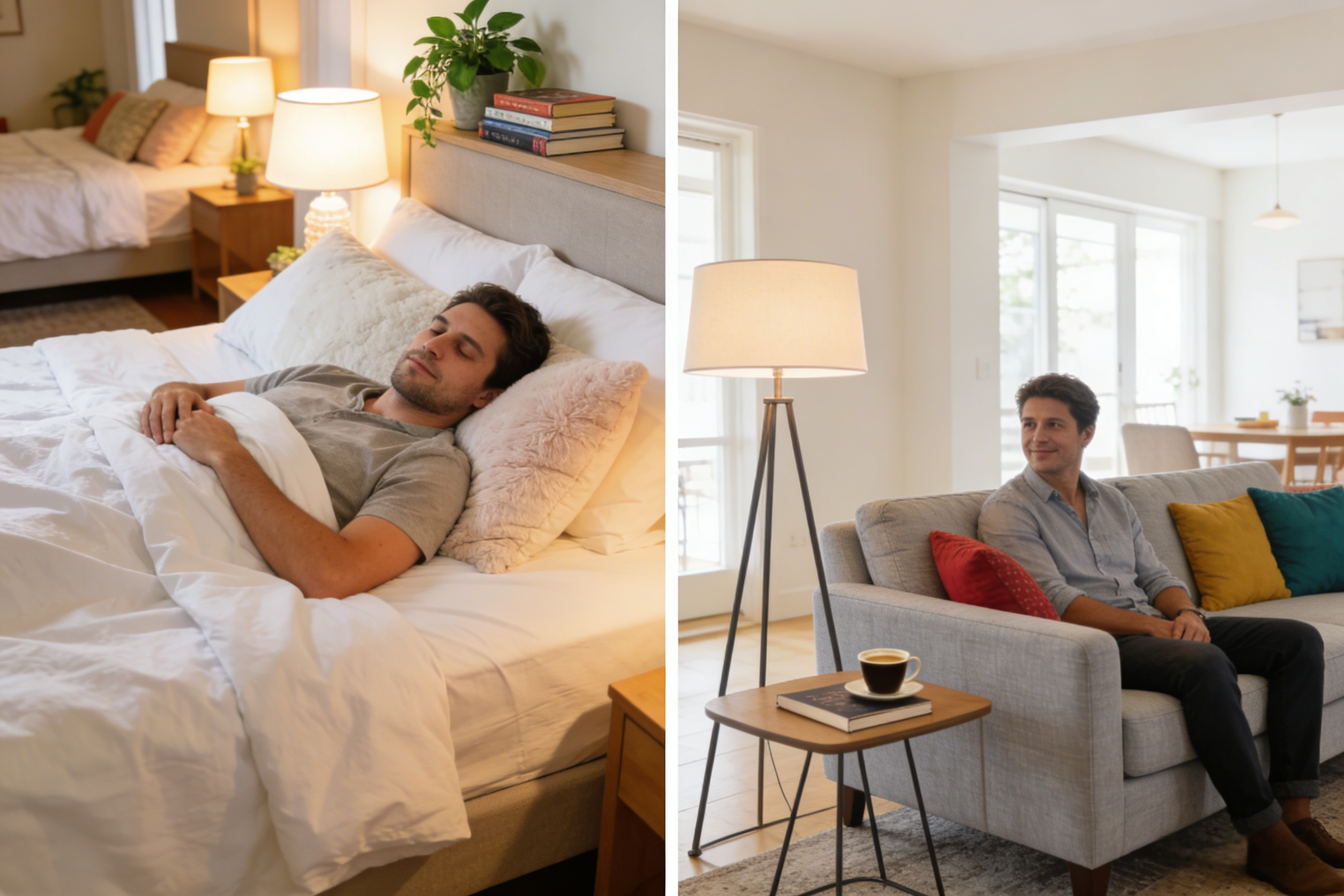
Mature and qualified Philippine sofa fabrics in the industry will have complete environmental responsibility traceability marks. When purchasing, consumers can proactively ask for fabric test reports from merchants to confirm that the moisture content of the material is nominally suitable for the high-humidity weather conditions in Southeast Asia. Many top brands that focus on quality will provide fabric warranty services for several years. The material standards of such products far exceed the market average, and long-term use is not prone to mildew, discoloration and other common problems at home in tropical areas.
The home layout of most ordinary Filipino families is based on small and medium-sized open-plan living and dining rooms. When purchasing a sofa, special consideration must be given to the size and adaptability of the moving lines. Many local recycling furniture design cases give priority to recommending sofas that occupy a large area. Modular sofas with a size of less than 2.2 meters can reserve enough space for family activities, and can quickly adjust the layout according to different usage scenarios such as parties and daily rest, and then flexibly adapt to the planning needs of most ordinary residences.
The Philippine sofa adopts a modular design and can be matched with accessories such as split cushions and extended footrests of the same brand. Based on the properties of the original seat, it can be used as a temporary bed for guests to stay overnight. Before purchasing, it is recommended to measure the width of the reserved circulation line in the Haoke restaurant in advance, and leave at least one meter for two people to pass. This can avoid the sofa being placed and affect the normal movement of the home, and can also make the overall home visual effect more transparent and coordinated.
In the Philippines sofa industry, in recent years, with the positive changes in the global sleeping and furnishing industry, it has gradually got rid of the previous competition framework of low quality and low price. More and more products that meet the needs of human health and home furnishing have entered ordinary families. When you choose a home sofa, the product attribute that you care about most is the environmental protection of the fabric, or the flexibility of module design and modification? Welcome to share your thoughts in the comment area, like the article and forward it to relatives and friends who are choosing home furnishings, and exchange purchasing experiences together.